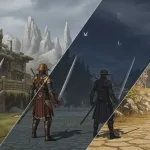
Video game soundtracks have evolved from simple 8-bit loops into sweeping orchestral scores that rival some of Hollywood’s greatest musical works. Today, the most iconic soundtracks in video game history are more than just background audio—they’re emotional pillars that shape how players experience narratives, explore virtual worlds, and form lifelong memories with the games they love.
These unforgettable themes contribute to atmosphere, identity, and immersion, becoming integrally tied to the legacy of the games themselves. Whether through nostalgic melodies, high-energy battle themes, or minimalist emotional compositions, they have set the standard for how powerful and transformative video game music can be.
As technology advances and the gaming industry grows creatively, the legacy of these iconic soundtracks continues to echo—guiding new composers and captivating players from every generation.
The Legend of Zelda: Ocarina of Time
Few soundtracks have had as profound an impact as The Legend of Zelda: Ocarina of Time, composed by the legendary Koji Kondo. The musical architecture of the game revolutionized the role of audio in gameplay.
The soundtrack blends adventurous overworld themes, peaceful village melodies, and dark atmospheric tones that elevate every moment of exploration. The ocarina songs themselves—like “Zelda’s Lullaby,” “Song of Time,” and “Epona’s Song”—are woven into the gameplay, turning music into a mechanic rather than mere accompaniment.
This seamless integration created a sense of emotional depth that players still treasure today. The Ocarina of Time score remains one of the most celebrated achievements in game music history, influencing the entire franchise for decades.
Final Fantasy VII
Composed by Nobuo Uematsu, the soundtrack of Final Fantasy VII is a monumental achievement that helped define what cinematic storytelling could be in video games. Its themes elevate every emotional beat—from the mystery of Midgar to the heartbreaking moments that unfold throughout the journey.
Tracks like “Aerith’s Theme,” “One-Winged Angel,” and “Main Theme of Final Fantasy VII” are instantly recognizable worldwide, blending orchestral power with emotional nuance. Uematsu’s compositions shaped character identity, deepened narrative impact, and set a standard for JRPG music.
Final Fantasy VII’s score remains a cornerstone of video game audio design, with its legacy kept alive through concerts, remakes, and countless fan tributes.
Super Mario Bros.
Simple, catchy, and unforgettable—the Super Mario Bros. soundtrack by Koji Kondo is one of the most iconic in gaming history. Its upbeat melodies perfectly match Mario’s fast-paced platforming and whimsical world.
The Overworld Theme is instantly recognizable, crossing generations and becoming one of the most globally known video game tracks of all time. What makes it remarkable is how minimalism and clever composition create such an enduring effect.
The Super Mario Bros. soundtrack defined the sound of early video game music while proving that even the simplest tunes can have timeless appeal. Its influence continues to inspire composers today, especially in retro and indie game design.
Chrono Trigger
Chrono Trigger, composed primarily by Yasunori Mitsuda with contributions from Nobuo Uematsu, stands as one of gaming’s greatest musical accomplishments. The soundtrack blends orchestral, electronic, and cultural motifs to support the game’s time-traveling narrative.
Themes like “Corridors of Time,” “Chrono Trigger,” and “Frog’s Theme” exemplify how music can deepen world-building and emotional storytelling. Each era in the game features distinct musical identities, enhancing immersion and creating a sense of exploration across different timelines.
Even decades later, the Chrono Trigger soundtrack remains acclaimed for its creativity, depth, and emotional resonance—cementing its timeless influence.
Halo: Combat Evolved
With its iconic Gregorian chants, powerful orchestral crescendos, and atmospheric sci-fi motifs, the soundtrack of Halo: Combat Evolved set a new standard for first-person shooters.
Composed by Martin O’Donnell and Michael Salvatori, the Halo score created a sense of epic scale and mystery that perfectly matched the game’s world and its groundbreaking gameplay. Tracks like “Halo Theme Mjolnir Mix” and “The Maw” became synonymous with the franchise.
The soundtrack’s blend of haunting choir elements and energetic combat themes elevated Halo from a great shooter to a cultural icon.
The Elder Scrolls V: Skyrim
Few soundtracks create a sense of vastness and adventure like The Elder Scrolls V: Skyrim, composed by Jeremy Soule. Its main theme, “Dragonborn,” combines Nordic and choral influences to deliver one of the most powerful opening tracks in gaming.
Soule’s use of atmospheric orchestration captures the cold majesty of Skyrim’s landscapes, enriching every moment of exploration. Tracks seamlessly shift based on player actions, enhancing immersion and making each journey feel personal.
The Skyrim soundtrack is a defining example of how music can transform an open world into a living, breathing experience.
Sonic the Hedgehog
The Sonic the Hedgehog series is known for its energetic and stylish music, capturing the speed and personality of its titular character. From the iconic Green Hill Zone theme to the electric beats of later titles, Sonic’s music blends pop, rock, and electronic genres to create memorable soundscapes.
Each track reflects the fast-paced gameplay and colorful environments, giving the series a unique sonic identity. Sonic’s music continues to influence the industry and remains beloved by fans old and new.
Metal Gear Solid
The Metal Gear Solid soundtrack stands out for its cinematic approach, blending tension-filled ambient tracks with emotional character themes. Composed by Takanari Ishiyama, Motosada Miura, and other talented musicians, the music amplifies the game’s espionage atmosphere and dramatic storytelling.
Tracks like “Encounter” heighten stealth gameplay, while themes such as “The Best Is Yet to Come” deliver emotional closure. The blend of orchestral and electronic elements helped define the series as a narrative powerhouse.
The Metal Gear Solid soundtrack remains a benchmark in storytelling through music.
Journey
Composed by Austin Wintory, the soundtrack for Journey is one of the most emotionally charged in gaming history. Unlike traditional game scores, Journey’s music adapts dynamically to the player’s movements and decisions, creating a deeply personal experience.
The minimalist yet powerful compositions evoke feelings of solitude, wonder, and connection. Its beauty earned it a Grammy nomination, making it one of the first video game soundtracks to achieve such recognition.
Journey proves that music can carry a narrative even without dialogue, guiding players through an unforgettable emotional arc.
Conclusion
The most iconic soundtracks in video game history transcend their medium, shaping how players remember and connect with the games they love. These scores—from the triumphant themes of Zelda to the emotional resonance of Journey—demonstrate how music enhances storytelling, immersion, and gameplay.
Whether orchestral, electronic, retro, or experimental, these unforgettable compositions show that music is not merely an accessory—it is the heart and soul of the gaming experience. As gaming continues to evolve, these legendary soundtracks will keep inspiring players, composers, and the industry as a whole.
Amanda has a degree in Languages, is a postgraduate student, and is passionate about content creation. After joining Cenário Capital, she discovered a strong interest in games. She currently works on the Marketing team, in the SEO and Content squad.