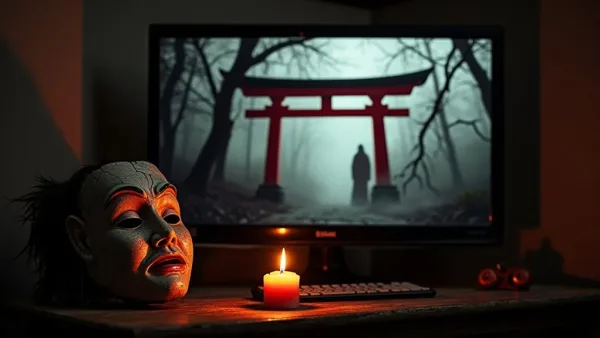
Horror games inspired by Japanese folklore create a uniquely haunting experience, blending ancient myths with modern gameplay in a way few other subgenres can match. Japan’s long tradition of ghost stories, urban legends, and spiritual beliefs has influenced countless games, shaping unforgettable atmospheres that linger in the mind. From ghostly encounters to eerie environments, titles like Fatal Frame and Yomawari: Night Alone immerse players in worlds where fear feels personal, cultural, and ever-present.
Each game blends eerie atmospheres, vengeful spirits, and cursed objects to build tension, turning Japanese folklore into unforgettable gameplay moments. (Image: ABWavesGame)
Unlike many Western horror games that rely heavily on action or jump scares, Japanese folklore–inspired horror focuses on quiet dread, psychological tension, and the unknown. These games use subtle storytelling, symbolic imagery, and vulnerable characters to deliver an unsettling experience rooted in centuries-old myths. Exploring them reveals how Japanese folklore continues to shape horror game design, and why its chilling power stays with players long after the screen goes dark.
Fatal Frame is one of the most iconic horror game series inspired by Japanese folklore, blending modern design with traditional ghost myths. What sets this franchise apart is its unique ghost photography system, where players must face terrifying spirits head-on, using a mystical camera as their only defense.
In Fatal Frame, players are forced to confront supernatural entities at close range, creating tension unlike anything found in other horror series. The game’s mechanic draws inspiration from ancient Japanese beliefs about capturing spirits through images, turning folklore into a gameplay system that is both creative and terrifying.
The atmosphere is drenched in cultural elements—from haunted shrines and traditional Japanese mansions to vengeful spirits inspired by yūrei legends. The slow build-up of fear, combined with a deeply emotional narrative, makes Fatal Frame a haunting, unforgettable experience that redefines what psychological horror can be.
This series remains one of the strongest examples of how Japanese myths can be translated into game mechanics and narrative design, making it essential for fans of folklore-inspired horror.
Haunting Legends in Yomawari: Night Alone
Yomawari: Night Alone is a deceptively simple yet deeply unsettling horror game that draws heavily from Japanese ghost stories and local urban legends. Unlike many action-heavy horror titles, Yomawari focuses on vulnerability, exploration, and atmosphere.
Players take on the role of a small girl wandering eerie, deserted streets in search of her missing sister and dog. The town she explores is filled with unsettling spirits inspired by yōkai, folklore creatures known for their strange behaviors and supernatural presence. Each encounter is unpredictable—some spirits are passive, others aggressive, and all of them contribute to a feeling of helplessness that defines the game’s emotional core.
Yomawari: Night Alone uses silence, ambient sound, and sudden frights to create tension. There are no weapons, no powerful abilities, and no traditional combat. Instead, survival depends on stealth, observation, and understanding the behavior of the spirits that roam the night.
This quiet, oppressive fear makes Yomawari stand out for fans of slow-burn horror and atmospheric storytelling. Its haunting legends and minimalist design keep players emotionally engaged and on edge long after they finish the game.
Unearthing Mysteries with The Evil Within 2
While The Evil Within 2 leans more into psychological and supernatural horror, it draws heavily from themes present in Japanese folklore, blending them with modern survival horror elements. Directed by Shinji Mikami, the creator of Resident Evil, the game carries his signature approach to psychological tension and surreal world-building.
In The Evil Within 2, players explore distorted environments filled with creatures and imagery reminiscent of Japanese urban legends. Many enemies evoke spirits and monsters found in folklore—shapeless beings, distorted human figures, and supernatural entities tied to emotional trauma and vengeance.
The game frequently blurs the lines between reality and nightmare, a theme common in Japanese storytelling. Dreamlike sequences, psychological symbolism, and myth-inspired creatures create a feeling that the world itself is alive and watching.
As players progress, they unravel mysteries that feel both supernatural and culturally influenced, exploring concepts of curses, lost souls, and fractured realities. This blend of narrative depth and folkloric inspiration makes The Evil Within 2 an unforgettable experience rooted in Japan’s mythological traditions.
Exploring Curses in Spirit Hunter: NG
Spirit Hunter: NG is a visual novel–style horror game that leans heavily into Japanese folklore, especially surrounding curses and haunted objects. In Japan, cursed items—known as tsukumogami or onryō artifacts—are common in traditional ghost stories, often carrying the spirits or grudges of the dead.
In Spirit Hunter: NG, cursed items are central to the story’s progression. Each one introduces a new supernatural threat, triggering ghostly encounters that increase tension and deepen the mystery. The game uses investigation, conversation choices, and environmental clues to create a deeply immersive folklore-driven experience.
Players confront spirits inspired by yūrei, vengeful ghosts that appear in everything from kabuki plays to ancient scrolls. The game’s emphasis on narrative, atmosphere, and curse mechanics gives it a distinct identity, different from action-oriented horror yet equally terrifying.
With every cursed item discovered, players uncover new layers of horror rooted in myth, making Spirit Hunter: NG perfect for fans who appreciate story-driven scares and folklore-inspired mysteries.
Conclusion
These four horror games inspired by Japanese folklore highlight how deeply traditional myths continue to influence modern game design. Titles like Fatal Frame, Yomawari: Night Alone, The Evil Within 2, and Spirit Hunter: NG capture the essence of Japanese storytelling through eerie atmospheres, vengeful spirits, shifting realities, and cursed objects.
Each game brings something unique to the genre—whether it’s Fatal Frame’s haunting camera system, Yomawari’s quiet vulnerability, The Evil Within 2’s surreal nightmares, or Spirit Hunter: NG’s curse-driven mysteries. Together, they show how Japanese folklore can elevate horror by blending emotional depth with cultural authenticity.
If you’re searching for horror games inspired by Japanese folklore, these titles offer unforgettable experiences that combine supernatural scares with rich mythological roots. Their unsettling imagery, tense atmospheres, and folklore-driven stories ensure that the fear lingers long after the game ends—proving why Japanese horror remains one of the most compelling influences in modern gaming.