Silent Hill F is shaping up to be far more than just another installment in the legendary series—it represents a new creative direction that embraces everything fans love about Silent Hill, while daring to introduce elements the franchise has never explored before.
This new entry hints at unsettling psychological horror, deeply emotional storytelling, and thematic risks that could redefine Silent Hill for a new generation. From early glimpses, the tone feels both familiar and disturbingly innovative: decaying environments, creeping tension, dreamlike visuals, and an atmosphere that slowly crawls under the player’s skin.
Silent Hill F arrives at a time when psychological horror is more appreciated than ever, and the few details revealed so far suggest a game that blends tradition with transformation. While much of the plot remains shrouded in mystery, the core themes—fear, memory, trauma, and identity—seem ready to take center stage once again. Fans have been waiting years for a new Silent Hill title that captures the emotional depth and complexity of earlier classics, and Silent Hill F may finally deliver exactly that.
Setting and Atmosphere of the New Game
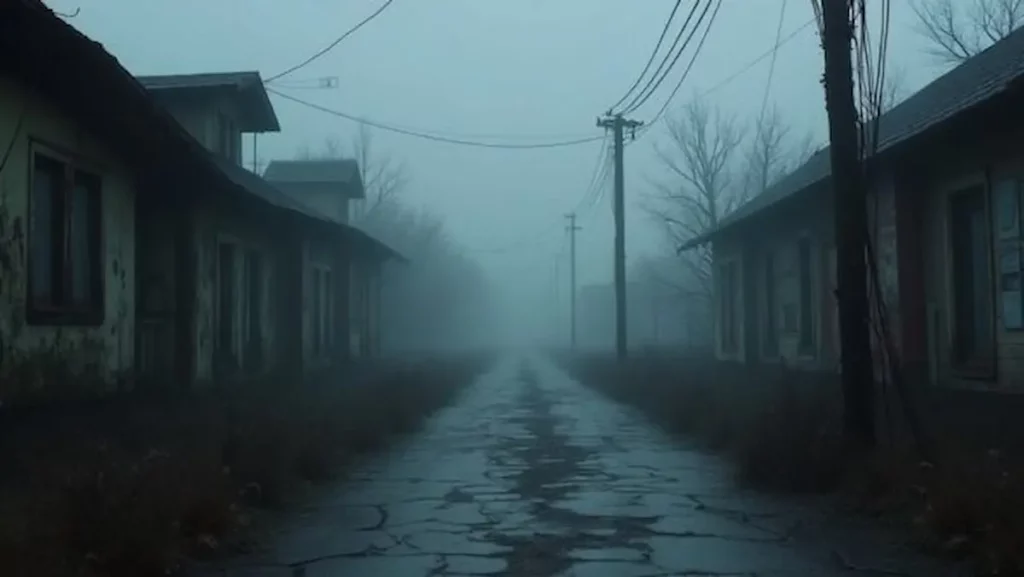
The Silent Hill F setting and atmosphere immediately stand out as defining features of this upcoming title. While the franchise has traditionally centered around fog-filled American towns and abandoned industrial landscapes, Silent Hill F introduces a reimagined location with a fresh cultural and psychological tone. Early footage places players in an environment marked by decay, mysterious growths, and surreal distortions that appear to spread and consume everything around them.
The setting is layered with symbolism: overgrown streets, collapsing structures, and organic intrusions that feel both parasitic and strangely beautiful. This environmental design draws players into a world that feels infected not only physically but emotionally—reflecting inner turmoil through physical transformation, a hallmark of Silent Hill at its best.
What truly elevates the Silent Hill F atmosphere is its commitment to slow-burn dread. Subtle audio cues echo through abandoned corridors. Shadows shift unnaturally at the edge of your vision. Distant noises coil around players like whispers from forgotten memories. The architecture itself feels oppressive, as if the environment is watching and waiting for the perfect moment to close in.
This careful use of environmental storytelling honors the roots of the franchise while offering a new layer of mystery. Silent Hill F’s setting feels meticulously crafted to unsettle players not through cheap scares but through mood, texture, and psychological tension. Every corner feels like a question, every detail like a story hiding in plain sight.
Storyline and Character Insights
While Konami has kept the full narrative under wraps, what we know about the Silent Hill F characters paints a picture of a deeply personal and emotionally charged story. Each character appears to struggle with trauma, guilt, fear, or hidden motivations—consistent with the franchise’s tradition of using its cast to explore psychological complexity.
These characters are more than plot devices; they are emotional mirrors. The narrative seems poised to reveal how each one carries their pain, how they cope with past events, and how the town—or force behind the horror—manifests their inner struggles. Silent Hill F appears to embrace the idea that every character shapes the world around them, creating a blend of personal narrative and supernatural influence.
As players progress, they’ll encounter unexpected twists designed to challenge expectations. Themes of identity, self-worth, memory, and vulnerability are expected to play major roles. If the writing follows the emotional depth of Silent Hill 2 or Silent Hill 3, players can expect a story that lingers long after the game is finished—one that asks difficult questions instead of providing easy answers.
Silent Hill F’s cast is built to deliver a layered, psychological experience. Their choices, motivations, and emotional arcs will likely determine how players interpret the world, making the narrative feel deeply personal and grounded even amidst surreal horror.
Gameplay Mechanics and Innovations
The Silent Hill F gameplay introduces several innovations aimed at modernizing the survival horror experience while staying true to the franchise’s identity. From what has been revealed so far, the gameplay appears to focus on tension, strategy, and immersion rather than straightforward action.
One standout element is the newly revamped combat system, which emphasizes timing, vulnerability, and resource management. Combat is not about feeling powerful—it is about surviving long enough to escape. Every encounter feels dangerous, pushing players to think before acting.
Puzzle design also undergoes a smart evolution. Silent Hill F puzzles use environmental clues, psychological symbolism, and in-world logic in ways that force players to think under pressure. Instead of random guessing, players must pay attention to their surroundings, character behavior, and even sound cues to progress. This strengthening of puzzle mechanics enhances immersion and rewards curiosity.
Silent Hill F balances action with mental engagement, offering a game that challenges players to navigate both external threats and internal conflict. The combination of improved exploration, strategic encounters, and atmospheric puzzles marks a thoughtful evolution of the series’ core design.
Visuals and Audio Design Enhancements
A major highlight of Silent Hill F is its improved visuals and audio design, both of which play central roles in shaping the game’s emotional impact. The game’s enhanced graphic fidelity features richer textures, sharper details, and atmospheric lighting that transforms every location into an immersive nightmare. Organic growths glisten with disturbing realism, shadows slide across narrow hallways, and fog behaves like a living presence.
The game’s lighting system is particularly noteworthy, amplifying tension through contrast, silhouette, and visual distortion. Silent Hill F’s environments feel alive, constantly shifting between clarity and confusion. This creates a psychological effect that makes players question not just what they see—but what they feel.
Equally important is the audio design, which incorporates layered ambient sounds, unsettling musical cues, and dynamic environmental audio. Creaking floors, distant footsteps, dripping water, and whispering voices create an atmosphere that is uncomfortable in the best possible way. Audio becomes a central mechanic for immersion, warning, and emotional storytelling.
Together, these visual and auditory enhancements raise Silent Hill F to a new level of sensory horror, ensuring that the experience pulls players into its world and refuses to let go.
Release Date and Platform Availability
With so much anticipation building around the title, it’s no surprise that players want to know when they’ll be able to experience Silent Hill F for themselves. The game is officially set to release on September 25, positioning it as one of the year’s biggest psychological horror launches.
According to current announcements, Silent Hill F will be available on major consoles and PC, ensuring broad accessibility for fans across different systems. This multi-platform approach helps the game reach diverse gaming communities and strengthens its presence from day one.
Conclusion
Silent Hill F is shaping up to be a deeply atmospheric and emotionally ambitious entry in the franchise, blending classic psychological horror with bold new ideas. It honors the legacy of Silent Hill while offering a fresh creative direction built on rich storytelling, chilling sound design, and immersive gameplay. With its striking visual design, haunting environments, and layered character arcs, Silent Hill F has all the ingredients needed to leave a lasting impact on both longtime fans and newcomers.
If the final game delivers on the promise shown so far, Silent Hill F could become one of the most memorable and influential Silent Hill titles ever released. As September 25 approaches, anticipation continues to grow for a horror experience that aims not just to scare—but to linger in your mind long after you walk away from the screen.
Amanda Torati is a linguist and postgraduate researcher who specializes in the intersection of storytelling and interactive media. With a deep fascination for the gaming ecosystem, she focuses on deconstructing game narratives and technical trends to make them accessible to players of all levels. At ABWaves Game, Amanda combines her academic background with in-depth research to deliver reviews and guides that are both precise and engaging, ensuring readers stay informed in a fast-paced digital world.