Handheld gaming consoles have come a long way, evolving from simple gadgets into powerful, pocket-sized entertainment systems. What began with basic screens and limited games gradually transformed into immersive devices capable of connecting players from all over the world. Each generation brought new breakthroughs, smarter design, sharper visuals, longer battery life, and even new forms of interaction.
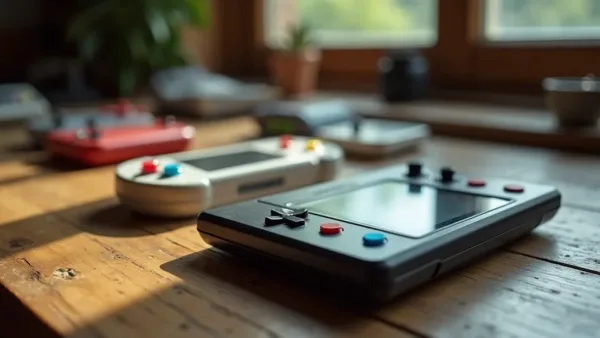
Handheld gaming consoles have a rich history shaped by constant innovation and player demand. (Image: ABWavesGames)
Yet, despite the impressive technological leaps already made, the story of handheld gaming is far from over. With constant innovation, new hardware possibilities, and the rise of cloud gaming, the next wave of handheld evolution may completely reshape how we experience games on the go.
The origins of portable gaming devices trace back to the early 1970s, when advances in microprocessor technology finally made compact, battery-powered entertainment possible. Before this era, games were often confined to large arcade cabinets or bulky home consoles. The idea of carrying a video game in your hands was revolutionary.
Companies began experimenting with rudimentary handheld devices featuring LED or LCD screens, simple sound effects, and very limited gameplay. Titles were basic—often one game per device—but they introduced millions of players to the concept of gaming anywhere, not just at home. Pocket arcades and standalone handheld gadgets became popular gift items, and although primitive, they laid the foundation for a new and exciting market.
These early portable gaming devices were crucial for shaping what would eventually become modern handheld consoles. They demonstrated that players were eager for mobility, convenience, and quick entertainment experiences. Over time, these concepts inspired larger companies to invest more heavily in portable technology and to explore new ways of bringing console-quality experiences into smaller, more accessible formats.
Breakthroughs in display and battery technology
As portable gaming matured, breakthroughs in display and battery technology completely reshaped the landscape. Early screens were monochrome, small, and difficult to view under certain lighting conditions. But improvements in LCD clarity, contrast, and energy efficiency gave handhelds a major boost. Suddenly, games became more visually appealing, easier to play outdoors, and increasingly closer to what players expected from full-size consoles.
The evolution didn’t stop at visuals. Battery life played a major role in determining the success of handheld devices. Early gadgets drained batteries quickly, limiting playtime and frustrating users. New battery materials and smarter power management systems extended usage dramatically, making handhelds more practical and enjoyable for long gaming sessions. Rechargeable batteries eventually replaced disposable ones, reducing costs and helping handheld gaming spread even further.
These combined improvements set new standards for portable entertainment and raised player expectations. Handheld devices were no longer seen as inferior versions of home consoles—they became powerful systems in their own right.
The rise of iconic handheld consoles in the 1990s
With stronger displays and better battery life, the 1990s became a golden age for handheld gaming. Manufacturers competed intensely to win the growing market, pushing graphics, gameplay variety, and portability to new heights. This decade saw the rise of several iconic systems, each contributing something unique to the industry.
Color screens, stereo sound, and more complex cartridges expanded what handheld games could do. Franchises like Pokémon, Tetris, and Mario flourished in portable format, capturing players of all ages. Handheld gaming no longer felt like a backup option—it became a central part of the gaming experience.
These consoles introduced new design standards and gameplay expectations, proving that players were willing to embrace handheld devices as primary gaming systems. Their success established handheld consoles as a permanent piece of mainstream entertainment and paved the way for even more advanced devices in the following decades.
The impact of Nintendo Game Boy and its successors
Among all handheld systems, the Nintendo Game Boy stands as one of the most influential. It revolutionized portable gaming with its durability, affordability, and an unbeatable library of games. Despite having a monochrome screen at launch, its long battery life and accessible design made it the perfect device for the masses. The Game Boy wasn’t just a console—it became a cultural icon.
Successors like the Game Boy Color, Game Boy Advance, and eventually the Nintendo DS expanded on this legacy with more power, full-color displays, and dual screens. Nintendo focused on innovation, gameplay creativity, and accessibility rather than pure hardware power. This strategy helped the company dominate the handheld market for decades.
Through constant evolution, the Game Boy lineage shaped consumer expectations for what handheld gaming should feel like: portable, fun, durable, and filled with memorable experiences. These consoles proved that handheld gaming could thrive independently alongside home systems.
Advancements in connectivity and multiplayer features
As technology progressed, connectivity became a defining feature of handheld gaming. Early systems like the Game Boy supported local multiplayer using link cables, which set the stage for cooperative and competitive play on the go. These simple connections helped form friendships, schoolyard rivalries, and small gaming communities long before online networks became common.
Over time, wireless adapters and built-in Wi-Fi made multiplayer interactions easier and more intuitive. Players could battle, trade, and collaborate without physical cables. As online multiplayer rolled out on handheld devices, the experience evolved even further, connecting players around the world for the first time through portable systems.
Connectivity not only expanded gameplay options but also boosted community engagement. Handhelds became social hubs where updates, downloadable content, and online features added replay value and longevity. Today, many players consider strong connectivity a must-have feature, and manufacturers continue to build richer online ecosystems around handheld gaming.
The shift to touchscreens and multimedia capabilities
Another major transformation occurred when handheld gaming devices adopted touchscreens. This innovation changed how players interacted with games, offering intuitive controls through tapping, swiping, and dragging. Touchscreen mechanics opened the door for new genres and gameplay styles, making handheld gaming more accessible to both casual and dedicated players.
Simultaneously, handheld devices expanded beyond gaming, incorporating multimedia features such as music players, videos, cameras, and internet browsing. These all-in-one entertainment hubs blended gaming with other digital experiences, making handheld consoles indispensable for users who wanted more than just games in their pockets.
This shift marked a turning point where handheld gaming devices moved closer to smartphones in terms of functionality, while still maintaining the depth and quality of dedicated gaming hardware.
Modern innovations and the future of handheld gaming
Modern handheld gaming continues to evolve rapidly. Thanks to better touchscreens, powerful processors, cloud gaming technology, and improved wireless connectivity, handheld devices now deliver experiences once reserved for home consoles. Augmented reality features, subscription services, digital libraries, and cross-platform play create a seamless gaming environment that travels with players wherever they go.
Cloud gaming is especially transformative, allowing users to stream high-end games on lightweight devices. This trend reduces hardware limitations and may define the next generation of handheld gaming. Meanwhile, hybrid consoles and advanced portable PCs show that players want versatility, power, and freedom of movement.
The future points toward deeper integration between handhelds, smartphones, and home systems. As technologies continue to merge, device boundaries will become even less visible, making handheld gaming more accessible and immersive than ever before.
Conclusion
Handheld gaming consoles have a rich history shaped by innovation, competition, and evolving player expectations. From simple portable devices in the 1970s to today’s high-performance handheld systems, technology has dramatically changed how we enjoy games on the go. The Game Boy’s success in the 1990s marked a turning point, helping handheld consoles become mainstream and deeply influential.
Over the years, enhancements such as improved displays, longer-lasting batteries, touchscreens, multiplayer connectivity, and online features turned portable play into a complete entertainment experience. As cloud gaming, cross-platform support, and mobile integration continue to improve, the future of handheld gaming looks brighter than ever. These devices will likely remain essential companions for players who want both power and portability—anytime, anywhere.