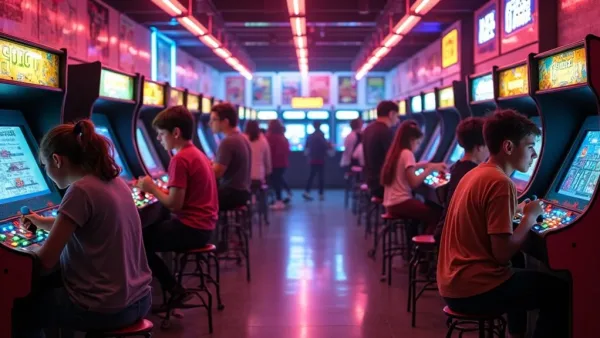
Arcade games didn’t just change how people played, they changed how people connected, dressed, and even dreamed. From glowing screens to crowded arcades filled with sound and energy, they created a cultural wave that still echoes today. But what made this era so influential, and why does its legacy continue to shape gaming and pop culture decades later?
Arcade games changed pop culture in powerful ways, leaving a mark that still shapes how we play, dress, and connect. (Image: ABWavesGame)
The rise of iconic video game characters changed the way people see games. Early titles were simple, but smart character design soon created heroes and mascots that players loved.
These iconic video game characters built strong emotional bonds with fans, turned franchises into cultural landmarks, and shaped how stories are told in games.
Thanks to their popularity, iconic video game characters also influenced marketing, merchandise, and community hype. Their lasting impact helped arcade game franchises grow, stay relevant, and become a powerful part of popular culture.
Neon aesthetics and fashion trends
As arcade games surged in popularity during the 1980s, neon aesthetics became a defining visual element that extended beyond screens into fashion trends.
Neon aesthetics inspired vibrant color palettes, glowing accessories, and bold streetwear that mirrored the visual flair of classic games, influencing clothing styles and nightlife culture.
This fusion of digital imagery and retro fashion solidified neon aesthetics as a cultural symbol in gaming, reflecting the era’s fascination with technology, urban energy, and the immersive worlds of arcade games.
Influence on music and sound design
Arcade games from the 1980s had a powerful influence on music and sound design, shaping how we hear games and pop culture today. Their catchy 8-bit melodies and creative sound effects helped define early game audio and inspired genres like electronic and pop music.
This influence on music and sound design encouraged producers to use digital tones, chiptune textures, and tight rhythmic patterns, blending gaming sounds with mainstream tracks. As a result, the influence on music and sound design from classic arcade games continues to guide how developers, musicians, and fans experience games and audio in modern entertainment.
The social experience of arcades
Arcades were more than places to play; they were vibrant social hubs where gamers gathered to compete, connect, and celebrate wins together.
In these arcade games spaces, players shared tips, cheered each other on, and formed friendships that kept them coming back.
The competitive spirit in arcade games fueled lively challenges and friendly rivalries, creating a unique culture that extended beyond the screens.
This communal energy made arcade games a cornerstone of gaming history and a memorable part of every player’s social life.
Arcade games and storytelling evolution
Arcade games didn’t just fuel social interaction and competition, they also helped shape storytelling in gaming.
Early arcade games introduced interactive narratives that drew players in beyond simple mechanics, making the experience more immersive. These games supported basic character development, helping players connect with protagonists and their journeys.
Over time, arcade games laid the foundation for deeper storytelling techniques that influenced console and PC titles, proving that arcade games were a driving force in the evolution of narrative design in video games.
Language and slang born from gaming
A variety of unique terms and expressions have emerged from the gaming community, reflecting its culture and shared experiences. This gaming vernacular, including joystick jargon, has influenced broader language, introducing phrases like “level up” and “noob.”
These gaming terms encapsulate the skill, strategy, and social dynamics of arcade gaming, embedding themselves into everyday communication beyond the arcade environment. As gaming continues to grow, gaming slang evolves too, shaping how players connect, communicate, and share their love for games.
Cross-generational cultural impact
Arcade gaming has a cross-generational cultural impact that goes beyond gameplay.
Arcade gaming brings parents and children together through shared memories of classic games, creating meaningful moments that strengthen family bonds.
These shared experiences build cultural continuity, making arcade gaming a bridge between age groups and a powerful way to reinforce community identity and nostalgia.
Foundations for modern digital entertainment
Arcade games laid the foundations for modern digital entertainment by introducing core mechanics and design principles that shaped the industry.
Through scoring systems, levels, and instant player feedback, arcade games inspired digital innovation and set standards that still guide contemporary game development.
This foundation helped modern digital entertainment evolve into immersive experiences with interactive storytelling and competitive play, all rooted in the fast-paced, engaging design of arcade games.
Conclusion
Arcade games changed pop culture in powerful ways, leaving a mark that still shapes how we play, dress, and connect. Arcade games introduced iconic characters and neon-soaked visuals that inspired fashion trends and music scenes. They also turned gaming halls into social hubs, where friends met up, built rivalries, and shared slang that slipped into everyday speech. Beyond quick thrills, arcade games laid the foundation for modern storytelling, competitive esports, and immersive digital experiences. Their cross-generational appeal keeps influencing movies, TV, and online communities, proving that the legacy of arcade games is still going strong in today’s culture and media.