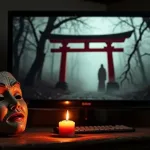
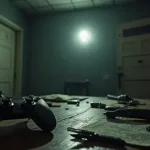
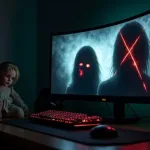
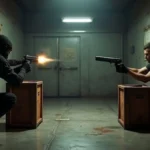
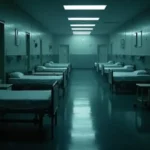
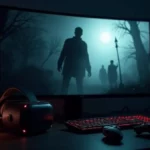
When the sun goes down and the streets grow still, a different kind of thrill takes shape — one that thrives in silence, darkness, and tension. This is the world of night horror games, a genre that has carved out a unique space in gaming culture. These aren’t just ordinary horror games; they are experiences specifically designed to hit harder when played after dark. They turn your living room into a chamber of suspense, your headphones into portals of dread, and your screen into a gateway where every flickering light or distant footstep might signal danger.
Gamers call this electrifying tradition “night fever” — the irresistible urge to dive into horror titles late at night to amplify fear, immersion, and adrenaline. It’s more than a habit; it’s a ritual. The night sharpens your senses, raises your heart rate, and pulls you deeper into the nightmare worlds developers create. The result is a psychological intensity that daytime gaming simply can’t replicate.
But what makes night horror games so enthralling? Why do players willingly step into terrifying worlds when most people would rather turn on every light in the house? Let’s unravel the mystery behind this growing phenomenon.
What Makes Night Horror Games So Addictive?
Night horror games captivate players because they do more than frighten — they immerse, challenge, and emotionally engage. Their power lies not in cheap jump scares but in carefully crafted psychological pressure. The best night horror games operate on multiple levels:
Psychological Depth
These games tap into primal fears such as isolation, madness, and vulnerability. Themes like guilt, paranoia, and the fragility of the human mind elevate the experience from simple entertainment to something that lingers afterwards. Long after you exit the game, its atmosphere still clings to your thoughts.
Constant, Slow-Burning Tension
Instead of bombarding players with non-stop scares, top-tier horror games create a steady atmosphere of dread. Even quiet moments feel threatening. The creaking of a door, the rumble of distant footsteps, or the sound of wind scraping against walls becomes enough to set your nerves on edge.
Immersive, Story-Driven Worlds
Every shadow, every corridor, every sound is intentionally placed. Environmental storytelling plays a massive role — abandoned rooms tell stories, eerie notes provide background, and disturbing visual details build a world that feels alive and deeply unsettling.
Challenging Survival Mechanics
Scarce resources force players to make tough decisions. Limited ammo, fragile weapons, unknown threats, and intricate puzzles create a constant push-and-pull between survival and exploration. When every mistake can be fatal, the stakes feel higher.
These elements combine to create an addictive loop of fear and excitement. You’re terrified, but you can’t stop playing — because the game makes you feel like you’re fighting for your life.
Why Nighttime Changes the Game
You can play a horror game in the middle of the afternoon and still feel uneasy, but once the sun sets, something changes. Nighttime has a psychological impact that transforms the whole experience.
Total Immersion
Darkness eliminates visual distractions. With the lights off and headphones on, the world outside disappears. What remains is only the game — its sounds, its shadows, its dangers. This is when horror truly thrives.
A Heightened Fear Response
Humans are biologically programmed to be more alert in the dark. Our ancestors relied on heightened senses at night to survive. Horror games exploit this instinct brilliantly, triggering stronger emotional reactions when played after sunset.
A Social Experience
Night horror gaming isn’t always solitary. Multiplayer horror titles and late-night streaming sessions bring people together through shared fear. Friends scream, laugh, and strategize as a group — turning terror into entertainment.
This is why “night fever” has become a real psychological effect, not just a catchy phrase. Fear intensifies, immersion deepens, and the emotional payoff becomes greater.
The Streamer Effect: Fear Goes Viral
The rise of platforms like Twitch, YouTube, and TikTok has skyrocketed the popularity of night horror games. Watching a streamer panic while creeping through a haunted house or hiding from a monstrous pursuer is entertaining in its own right.
But there’s more to the phenomenon than laughter and screams:
Authentic, Unfiltered Reactions
Fear is universal and contagious. When streamers jump, yell, or freeze in panic, the audience feels it too — creating a powerful emotional connection.
Community Participation
Live chats allow viewers to react in real time, share theories, and cheer or warn the streamer. This converts a solitary genre into a communal thrill.
Instant Game Discovery
A single viral clip — a scream, a surprise twist, a terrifying glitch — can turn an obscure indie horror game into a global sensation overnight.
Night horror games aren’t just played anymore; they’re broadcast, shared, memed, and celebrated online.
Iconic Night Horror Games You Can’t Miss
Several titles have shaped the genre and created unforgettable “night fever” experiences:
Resident Evil Village
A perfect blend of action, supernatural terror, and atmospheric world-building.
Outlast
A first-person survival nightmare known for its relentless chases and claustrophobic environments.
Phasmophobia
The ultimate multiplayer ghost-hunting game with unpredictable AI spirits and terrifying cooperative moments.
Silent Hill 2
A psychological masterpiece exploring guilt, grief, and inner demons — still one of the most emotionally haunting games ever made.
These games continue to dominate late-night gaming sessions and inspire new horror developers worldwide.
Why Players Keep Coming Back for More
Replayability is a major reason why night horror games maintain their popularity. Even after finishing a game, players return to uncover:
- New endings
- Hidden clues
- Different choices
- Alternate enemy behaviors
Developers fuel this replay value with modern tools like:
- Procedural scares
- Adaptive AI
- Dynamic environments
- Story paths that change based on player decisions
No two playthroughs feel exactly the same — and that unpredictability keeps players hooked.
The Future of Night Horror Games
The evolution of technology will only make night horror games more terrifying.
Imagine:
- VR worlds so realistic you forget they’re virtual.
- 3D audio that tracks your movement and whispers from behind.
- AI that detects your stress levels and alters gameplay to push your limits.
- Narratives that rewrite themselves based on your fears.
This is where the genre is heading — toward deeper immersion, smarter scares, and experiences crafted uniquely for each player.
Conclusion: Embrace the Night and Face Your Fears
Night horror games are far more than simple entertainment. They challenge your courage, test your instincts, and pull you into worlds where fear feels alive. Playing at night turns horror into a visceral, unforgettable experience that stays with you long after the game ends.
Whether you’re surviving alone, exploring haunted houses with friends, or watching a streamer fight back tears, the thrill of night horror games is unmatched. As technology advances, these chilling experiences will only grow more immersive and more personalized.
So when the sun goes down, embrace the darkness. Put on your headphones. Take a deep breath.
And step into a night where every shadow has a story — and every sound has a warning.
Isabela Souza is a management professional and a dedicated gaming enthusiast with an analytical approach to the digital industry. She specializes in organizing complex technical data and game mechanics into structured, easy-to-understand insights. At ABWaves Game, Isabela leverages her background in administration to evaluate gaming solutions and trends, ensuring that our community has access to reliable, well-organized information for an optimized gaming experience.