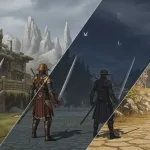
The evolution of female protagonists in gaming has reshaped not only who leads game narratives but also how those stories are told. In early video game history, women often existed on the sidelines — as prizes, objectives, or background characters. Today, the landscape looks dramatically different. Modern games feature rich, multidimensional female heroes who reflect cultural progress and player demand for more authentic representation.
By examining the evolution of female protagonists in gaming, we see both how far the industry has come and how much potential still lies ahead. As developers continue prioritizing agency, emotional depth, and inclusive character design, the evolution of female protagonists in gaming remains one of the most meaningful shifts in the entertainment industry.
Early Depictions of Women in Video Games
In the earliest era of gaming, women were rarely treated as protagonists. Instead, they appeared as pixelated damsels in distress, often with stories that revolved around being rescued by a male hero. Games like Donkey Kong and Super Mario Bros. helped establish this formula, where saving the princess became a central motivator.
These portrayals reflected cultural norms of the time and the limited technology available. Character design was simple, story structures were minimal, and female roles were usually passive or decorative. Women in early video games were seldom given personality, backstory, or agency — they existed primarily as narrative goals, not participants.
While these beginnings highlight a lack of representation, they also set the stage for change. As the gaming audience grew and diversified, so did expectations for narrative depth and meaningful roles for women.
Breaking Stereotypes: The Rise of Strong Female Leads
A major shift occurred when developers began challenging the standard tropes that confined women to passive roles. The industry witnessed the rise of strong female leads who were not only capable but central to the narrative.
Characters like Samus Aran in Metroid and Lara Croft in Tomb Raider represented groundbreaking moments. These strong female leads redefined player expectations by proving that women could helm action-heavy, story-driven franchises. They weren’t supporting characters — they were the story.
Modern strong female leads continue to push boundaries. They possess complexity, flaws, strengths, and motivations that go beyond surface-level representation. This evolution reshapes how players connect with protagonists and encourages studios to create stories with better diversity and emotional resonance.
As more developers embrace strong female leads, the gaming world becomes richer, more inclusive, and more reflective of real audiences.
Impact of Cultural Shifts on Female Character Design
Cultural evolution has profoundly influenced female character design in games. As conversations about identity, gender equality, and representation became more mainstream, developers began rethinking how they portrayed women.
Today’s female character design:
- Moves beyond exaggerated, unrealistic aesthetics
- Prioritizes narrative authenticity and personality
- Emphasizes cultural, ethnic, and experiential diversity
- Highlights agency, motivation, and emotional depth
This shift toward authenticity allows female characters to resonate with a wider range of players. Instead of following outdated stereotypes, modern character design embraces women as complex individuals with autonomy and purpose.
This change also reflects player expectations. Audiences increasingly seek characters who feel real and relatable, encouraging developers to craft women who reflect today’s cultural landscape with nuance and respect.
Iconic Female Protagonists Who Changed the Industry
Several iconic female protagonists have left lasting marks on the gaming industry, shaping everything from design to storytelling.
Lara Croft and Samus Aran were early trailblazers, proving female characters could carry major franchises. Their success paved the way for a new era of representation.
Modern icons like Aloy from Horizon Zero Dawn, Ellie from The Last of Us, and Bayonetta from the Bayonetta series expanded expectations even further. These characters showcase different personalities, identities, skill sets, and narrative strengths, reinforcing that no single type of woman represents the “standard” female lead.
Iconic female protagonists who changed the industry did more than break stereotypes — they inspired developers to experiment with character design and pushed audiences to rethink what a game hero can look like.
Their influence continues to shape narratives, mechanics, and representation across genres.
The Role of Narrative Depth in Female Character Development
Narrative depth plays a crucial role in shaping the evolution of female protagonists in gaming. While visibility is important, depth is what turns characters into icons.
Modern games increasingly prioritize:
- Motivations rooted in believable experiences
- Character arcs that evolve with player choices
- Emotional vulnerability and resilience
- Conflicts driven by personal stakes, not clichés
This narrative depth allows female protagonists to transcend stereotypes. Instead of being defined by trauma, romance, or supporting roles, they become central figures whose stories feel meaningful and relatable.
Player empathy grows when characters feel human. Narrative depth ensures female protagonists are not tokens, but essential elements of storytelling that enhance the overall emotional impact of the game.
Representation and Diversity in Modern Gaming
Representation and diversity in modern gaming have improved significantly, though progress remains uneven.
Today’s industry is beginning to embrace intersectional representation, acknowledging that women come from varied cultural backgrounds, identities, orientations, and abilities. When developers diversify female representation, stories become richer and more inclusive, allowing more players to see themselves in the characters they control.
Yet many games still fall short. Tokenism, shallow stereotypes, and lack of development persist in some titles, highlighting the need for continued effort.
For representation and diversity in modern gaming to evolve meaningfully, studios must commit to:
- Writing multidimensional female characters
- Hiring more diverse creators and writers
- Avoiding stereotypical narratives
- Building inclusive worlds that reflect real experiences
Future Trends for Female Protagonists in Video Games
The future for female protagonists in gaming looks promising, with several emerging trends pointing toward continued growth and evolution.
Players can expect:
- More multidimensional characters driven by authentic stories
- Stronger intersectional representation across cultures, identities, and backgrounds
- Increased narrative agency, giving female protagonists roles that meaningfully influence story direction
- Improved collaborations with diverse writers, ensuring cultural accuracy and emotional depth
- A wider range of genres featuring female leads, from indie titles to major AAA releases
These trends suggest an industry that is moving toward a more inclusive future where female protagonists in video games feel more real, diverse, and impactful than ever before.
Conclusion
The evolution of female protagonists in gaming highlights a transformative journey from one-dimensional stereotypes to deeply developed, powerful heroes. Cultural shifts, stronger storytelling, and iconic characters have reshaped the landscape, giving women richer, more meaningful roles in game narratives.
As developers continue prioritizing diversity, agency, and emotional authenticity, the evolution of female protagonists in gaming will keep influencing how stories are created — and how players experience them. The future promises an even broader range of compelling female leads who redefine what it means to be a hero in modern gaming.
Amanda Torati is a linguist and postgraduate researcher who specializes in the intersection of storytelling and interactive media. With a deep fascination for the gaming ecosystem, she focuses on deconstructing game narratives and technical trends to make them accessible to players of all levels. At ABWaves Game, Amanda combines her academic background with in-depth research to deliver reviews and guides that are both precise and engaging, ensuring readers stay informed in a fast-paced digital world.