Published on May 15, 2026 at 12:42 PMUpdated on May 15, 2026 at 12:42 PM
During its latest fiscal presentation, Nintendo president Shuntaro Furukawa confirmed that the company will follow the industry trend by increasing the price of the Nintendo Switch 2. According to the executive, the measure was absolutely necessary to safeguard the financial health of the business amid a prolonged surge in global component costs.
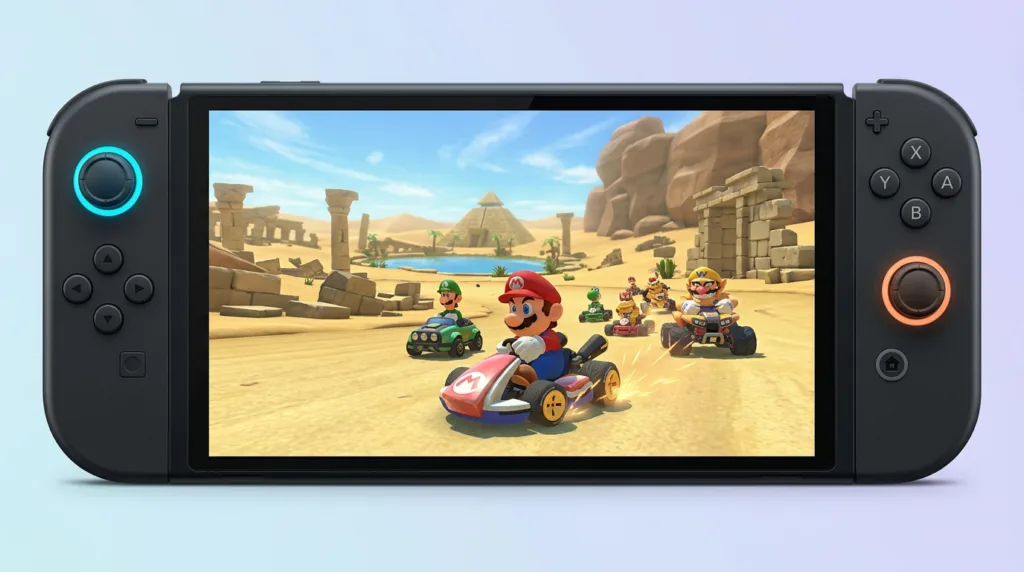
Nintendo Switch 2. (Image: ABWaves Game)
Furukawa explained that if the inflation were a temporary hurdle, the company would have absorbed the losses while focusing on production efficiency and expanding the user base. However, market conditions have proven too severe to ignore.
The hardware market is currently facing massive external pressures, which have directly impacted Nintendo’s supply chain:
The Component Strain: The global demand for RAM and SSDs, driven heavily by the massive expansion of corporate artificial intelligence servers, has caused component prices to skyrocket.
Global Macroeconomics: Rising oil prices and shifting international trade trends have further complicated manufacturing and shipping costs.
“For the sustainable growth of our dedicated video game platform business, it is important to maintain a healthy revenue structure… For this reason, we made the difficult decision to reflect part of our costs in the selling price,” Furukawa justified to shareholders.
Impact on sales and future outlook
While Nintendo has adjusted the prices of its hardware accessories in the past due to U.S. tariff policies, this broader price hike directly impacts the main console.
Furukawa declined to share internal sales forecast adjustments but openly acknowledged that the higher price creates a steeper barrier to entry for consumers, which could cause potential buyers to hesitate. He emphasized that Nintendo’s primary goal now is to consistently deliver high-quality, exclusive gaming experiences that justify the increased investment.
A market-wide reality
Nintendo warns that component price volatility is expected to persist well into 2027 and beyond, stating they will remain flexible to future market shifts.
With this move, Nintendo joins both Sony (PlayStation) and Microsoft (Xbox), both of which have introduced notable price adjustments to their hardware lineups over the course of the current generation to combat the exact same macroeconomic pressures.